
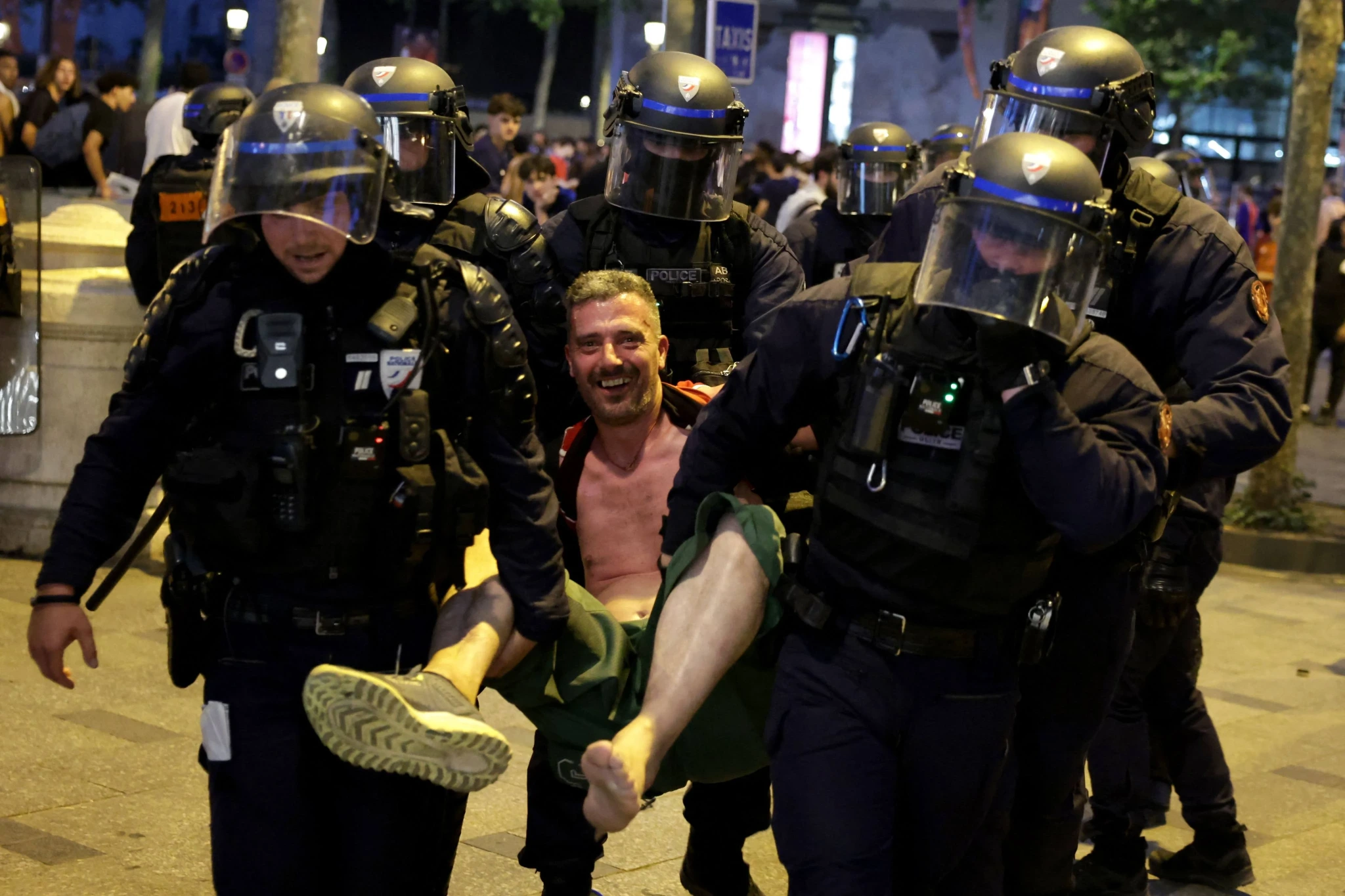
A controversial police firearms proposal — dubbed a “licence to kill” by critics — received final parliamentary approval on Friday, 20 November, when the French Senate adopted the text by 205 votes to 110. The official Senate record lists 27 abstentions and six members who did not take part in the vote. (Senate voting record)
The measure establishes a rebuttable presumption that national police officers and gendarmes who use their firearms in the exercise of their duties have acted within the legal framework governing the use of weapons, including the requirements of absolute necessity and strict proportionality. The presumption can be overturned by evidence to the contrary. It does not create blanket immunity: the Senate’s own legislative analysis says it does not prevent a judicial or administrative investigation from being opened, nor remove the possibility of an officer being placed in police custody. (Senate legislative report)
The proposal was adopted by the National Assembly on 7 July 2026, by 313 votes to 199, before the Senate’s final vote in November. The adopted text now awaits promulgation before it takes effect. (National Assembly voting record)
Opponents have described the measure as a “licence to kill” and warned that shifting the evidential presumption could make accountability harder in cases involving police shootings. Supporters argue that it provides legal protection for officers acting within the existing rules. The text does not remove the underlying requirements that any use of a firearm be absolutely necessary and strictly proportionate.
President Donald Trump has also linked unrest in France to migration. In remarks reported on 19 October, Trump urged French President Emmanuel Macron to close the country’s borders and said he had warned Macron years earlier that France was making a mistake on immigration. Those comments pre-date the Senate vote. (AFP report)
Left-wing lawmakers have said they intend to challenge the measure before France’s Constitutional Council in an effort to prevent it from taking effect. The proposal’s parliamentary passage and any subsequent constitutional review are separate stages.
Leave a Reply